

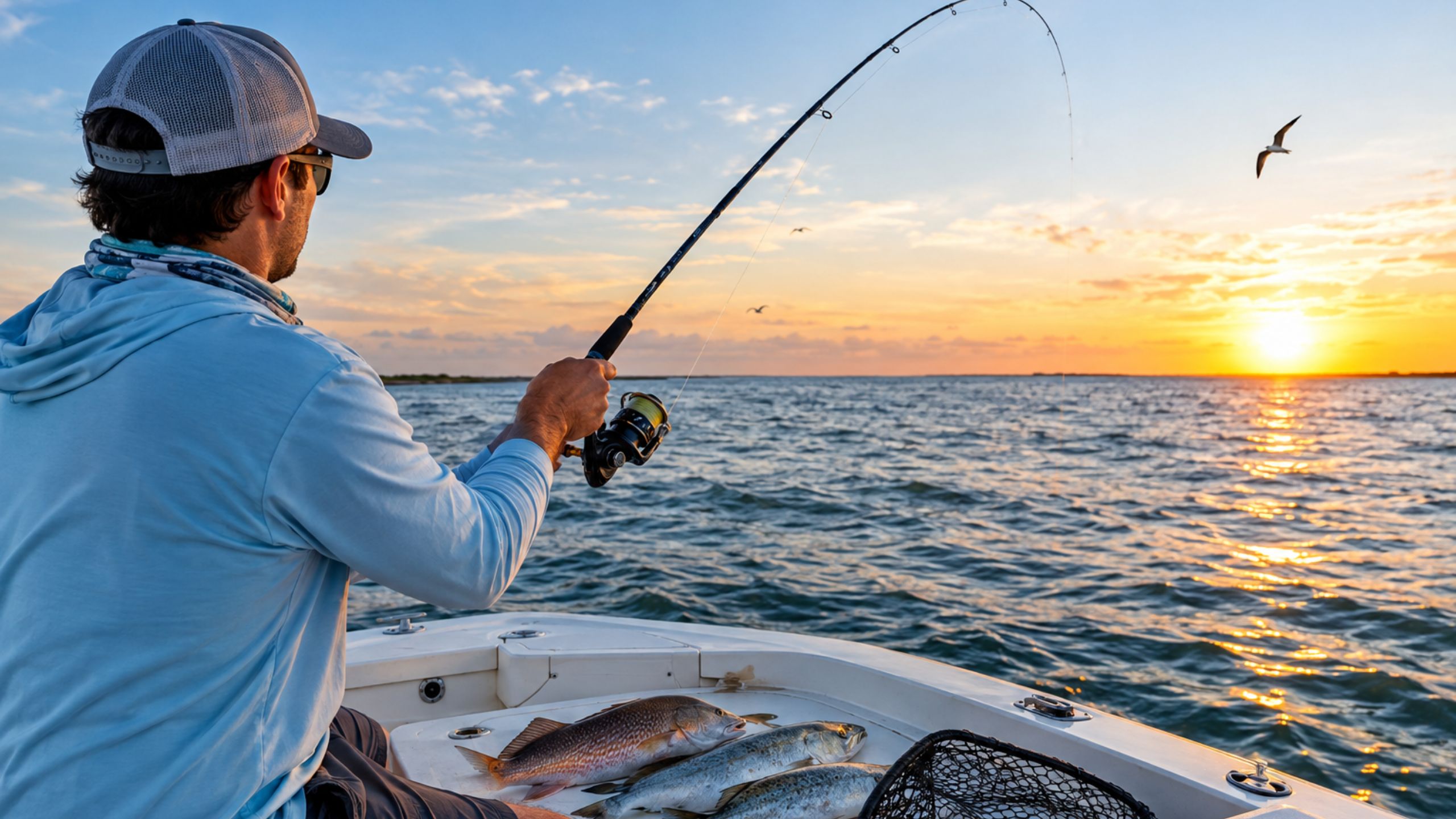
ThunderOnTheGulf can be used as a gateway to planning a Gulf Coast fishing experience, from beginner-friendly shoreline and inshore fishing to longer nearshore and offshore trips. The right choice depends on your location, fishing goals, experience level, group size, weather, and current fishing regulations.
What Is ThunderOnTheGulf?
ThunderOnTheGulf is a search term associated with Gulf Coast fishing, family fishing, coastal activities, and related Gulf experiences. Because similar wording is also used in connection with the phrase “Thunder on the Gulf,” readers should confirm the specific website, event, activity, or fishing service they intend to visit.
For fishing purposes, the most useful way to approach ThunderOnTheGulf is as a starting point for researching a Gulf Coast adventure rather than assuming that every result represents the same organization or fishing operation.
That distinction matters.
A search for ThunderOnTheGulf can lead to content about family fishing, fishing trips, Gulf Coast destinations, and events. Your first step should therefore be identifying what you are actually trying to do: fish, plan a family trip, attend an event, or find a charter.
ThunderOnTheGulf vs. “Thunder on the Gulf”
The wording can be confusing because Thunder on the Gulf is also used in online content describing Gulf Coast events and activities.
If you are looking for a specific event, check the official event information for its current dates, location, schedule, and rules.
If your goal is fishing, focus instead on:
- Fishing location
- Fishing method
- Target species
- Trip duration
- Charter availability
- Licensing requirements
- Weather conditions
- Current fishing regulations
This simple distinction can prevent you from planning the wrong type of Gulf Coast experience.
What Do You Need for a Gulf Coast Fishing Trip?
A successful fishing trip starts with matching the experience to your group.
Before you go:
- Choose between beach, pier, inshore, nearshore, or offshore fishing.
- Pick a location that fits your experience and travel plans.
- Check the current fishing regulations.
- Check the marine weather forecast.
- Decide whether you need a private charter, shared trip, or no boat at all.
- Confirm what equipment, bait, licenses, and safety equipment are included.
- Pack water, sun protection, appropriate clothing, food, and personal essentials.
- Have a backup plan if weather or fishing conditions change.
The goal isn’t simply to catch the biggest fish.
The goal is to create a trip that fits your people, your conditions, and your expectations.
Which Type of Gulf Coast Fishing Is Best for You?
There is no single “best” Gulf Coast fishing method. The right option depends on your group, comfort level, target species, available time, and local conditions.
| Fishing type | Best suited for | Main consideration |
| Beach fishing | Beginners and flexible trips | No boat required |
| Pier fishing | Families and casual anglers | Easy access but can become crowded |
| Inshore fishing | Beginners and families | Usually closer to shore |
| Nearshore fishing | Older children and intermediate anglers | More time on a boat |
| Offshore fishing | Experienced anglers | Longer trips and greater exposure to sea conditions |
Beach Fishing
Beach fishing is one of the simplest ways to experience the Gulf.
You don’t need to commit to a full-day boat trip, and you can often leave when children become tired or conditions change.
It can be a good introduction for families who aren’t sure whether everyone will enjoy fishing.
Pier Fishing
Piers offer another flexible option.
You get access to saltwater fishing without spending the day on a boat. This can make pier fishing useful for families with young children or people who are uncomfortable with longer boat trips.
However, parents should pay close attention to children around hooks, railings, slippery surfaces, and other anglers.
Inshore Fishing
Inshore fishing takes place closer to the coast in areas such as bays, estuaries, marshes, and other protected waters.
For many beginners and families, the shorter distance from shore can make this an easier introduction to boat fishing.
Potential target species vary by location and season, so ask a local guide what is currently available rather than assuming a particular fish will be present.
Nearshore Fishing
Nearshore trips move farther from land and can provide access to different habitats and species.
They can be a useful middle ground between inshore fishing and a full offshore trip, particularly for families with older children or anglers who already have some experience on boats.
Offshore Fishing
Offshore trips take you farther from the coast.
They can provide access to deeper water and different species, but they also generally require more time, preparation, and tolerance for changing sea conditions.
For first-time family anglers, don’t choose an offshore trip simply because it sounds more exciting.
Choose the trip that your least-experienced traveler can comfortably handle.
What Are the Best Gulf Coast Fishing Locations?
The Gulf Coast stretches across a large area, so “best” depends on what you want from the trip.
Instead of ranking locations, consider them by the experience they can provide.
Alabama Gulf Coast
Alabama’s Gulf Coast provides access to both inshore and offshore saltwater fishing.
Areas around the Alabama coast can support different fishing styles, but species, size limits, creel limits, and seasons vary.
Alabama’s current recreational saltwater rules include specific requirements for species such as red drum, spotted seatrout, sheepshead, king mackerel, red snapper, and several grouper species.
Florida Gulf Coast
Florida’s Gulf Coast offers a broad range of saltwater fishing opportunities.
Florida’s Fish and Wildlife Conservation Commission maintains current recreational saltwater licensing information and explains which activities require a saltwater fishing license.
Because requirements can differ depending on how and where you fish, always check the current Florida rules before your trip.
Gulf Shores and Orange Beach
These Alabama destinations are useful places to research if your trip combines fishing with beaches, family activities, restaurants, and other coastal attractions.
When comparing fishing operators, don’t choose solely on destination popularity.
Look at:
- Trip duration
- Boat type
- Distance to fishing grounds
- Group size
- Included equipment
- Target species
- Cancellation policy
- Family experience
- Current customer information
Pensacola and the Florida Panhandle
The Florida Panhandle provides a range of coastal environments and fishing opportunities.
Your choice should depend on whether you want shoreline fishing, inshore fishing, nearshore fishing, or a longer offshore experience.
Destin and Other Gulf Destinations
Destinations throughout the Gulf Coast offer different combinations of beaches, bays, piers, marinas, and offshore access.
Rather than asking, “What is the best Gulf Coast fishing city?”, ask:
“Which location gives my group the right fishing experience for our available time, skill level, target species, and comfort?”
That question leads to a much more useful decision.
What Fish Can You Catch on the Gulf Coast?
The Gulf supports many recreational saltwater species, but availability varies by location, season, habitat, regulations, and weather.
Potential species include:
- Red drum, commonly called redfish
- Spotted seatrout
- Sheepshead
- Red snapper
- Gray snapper
- Grouper species
- King mackerel
- Spanish mackerel
- Greater amberjack
- Cobia
- Flounder
- Pompano
- Various reef fish
Alabama’s current recreational regulations, for example, specify different size and daily creel limits for numerous species.
Federal Gulf regulations can also impose species-specific seasons and closures. NOAA’s current Gulf regulations page warns that regulations are subject to change and that in-season closures can occur.
A Simple Species-Planning Rule
Don’t start with:
“What fish do I want?”
Start with:
“What fish are legally available where and when I am fishing?”
Then choose your fishing method and location.
That approach keeps your expectations realistic.
When Is the Best Time to Go Gulf Coast Fishing?
There is no universal “best month” for every Gulf Coast fishing trip.
Your ideal timing depends on:
- Target species
- Water conditions
- Weather
- Location
- Fishing method
- Regulations
- Family schedule
- Boat availability
Spring
Spring can provide changing conditions and opportunities for different coastal species.
For families, moderate temperatures can also make time outdoors more comfortable than the hottest parts of summer.
Summer
Summer brings long daylight hours and strong vacation demand.
However, heat, sun exposure, thunderstorms, and changing marine conditions need to be taken seriously.
Plan around the forecast rather than assuming that a sunny morning guarantees safe conditions for the entire day.
Fall
Fall can be attractive for anglers who want different seasonal opportunities and somewhat different coastal conditions.
Always check current species regulations before targeting a particular fish.
Winter
Winter fishing can still be productive, but conditions may be less predictable for families seeking warm-weather recreation.
The best winter plan is one that allows flexibility.
How Do You Plan a ThunderOnTheGulf Fishing Trip?
Use this eight-step process.
Choose Your Fishing Style
Decide whether your group wants:
- Shore fishing
- Pier fishing
- Inshore fishing
- Nearshore fishing
- Offshore fishing
If you’re taking children or beginners, start with the simplest experience that matches your goals.
Choose Your Location
Consider:
- Driving distance
- Accommodation
- Marina access
- Fishing method
- Available charters
- Family activities
- Emergency and medical access
- Weather exposure
Match the Trip to Your Group
Think about the youngest, oldest, and least-experienced person in your group.
A trip that is perfect for experienced anglers may not be appropriate for a six-year-old who has never been on a boat.
Check Regulations
Check state and federal requirements before fishing.
NOAA explains that federal waters begin where state waters end and extend 200 miles offshore. It also notes that some state and federal rules interact depending on the fishery and vessel.
Check the Weather
Look at:
- Wind
- Thunderstorms
- Wave conditions
- Heat
- Visibility
- Marine warnings
Never treat a fishing reservation as more important than safety.
If a captain cancels because conditions are unsafe, that’s a feature—not a failure.
Confirm Charter Inclusions
Before paying, ask exactly what is included.
Confirm:
- Rods
- Reels
- Bait
- Tackle
- Ice
- Fishing licenses
- Fish cleaning
- Safety equipment
- Food and drinks
- Fuel or additional fees
Prepare Your Gear
Pack personal items even when the charter supplies fishing equipment.
At minimum, consider:
- Water
- Sunscreen
- Hat
- Sunglasses
- Comfortable clothing
- Non-slip footwear
- Snacks
- Towels
- Extra clothes for children
- Waterproof storage for phones
Create a Backup Plan
The Gulf is beautiful, but the weather can change.
Have a backup activity such as:
- Aquarium or marine center
- Beach visit
- Coastal sightseeing
- Museum
- Local restaurant
- Indoor family activity
A backup plan protects the vacation even if the fishing trip doesn’t happen.
What Fishing Regulations Should You Check?
Fishing rules are one of the most important parts of planning a Gulf Coast trip.
They are also one of the easiest things to get wrong.
Do not rely on an old blog post for current limits or seasons.
NOAA states that Gulf fishing regulations are subject to change and recommends checking current fishery bulletins and the applicable regulations.
Alabama Saltwater Fishing Requirements
Alabama publishes current recreational saltwater size and creel limits.
For example, its current information lists specific requirements for species including:
- Sheepshead
- Spotted seatrout
- Red drum
- Cobia
- King mackerel
- Spanish mackerel
- Red snapper
- Grouper
- Greater amberjack
Limits can include minimum or maximum sizes and daily creel restrictions.
Always check the current Alabama regulations immediately before fishing.
Florida Saltwater Fishing Requirements
Florida’s Fish and Wildlife Conservation Commission states that a Florida saltwater fishing license is generally required to take or attempt to take saltwater fish and other covered saltwater organisms.
The agency also lists specific license categories and exemptions.
Requirements can depend on factors such as residency, age, fishing location, fishing method, and whether you’re fishing from a licensed charter.
Federal Gulf Regulations
Federal Gulf fisheries can have species-specific seasons, closures, size limits, bag limits, and other requirements.
For example, NOAA announced that the 2026 federal recreational gag season opened September 1 and closed October 1, 2026, illustrating how quickly a fishing opportunity can change during the year.
NOAA also announced a 2026 greater amberjack recreational season running from September 1 until October 14, 2026, with specified size and possession requirements.
Bottom line: Check the official regulations on the day you plan your trip and again shortly before you fish.
How Do You Choose a Family-Friendly Fishing Charter?
The cheapest charter isn’t automatically the best fit for your family.
Instead, compare the experience.
1. Private vs. Shared Charter
A private charter gives your group more control over the pace and experience.
A shared trip may cost less per person but gives you less control over who is on the boat and how the day unfolds.
2. Trip Duration
Longer isn’t automatically better.
For young children, a shorter trip can produce a better experience because there is less time for boredom, fatigue, heat, and seasickness to build.
3. Boat Type
Ask:
- Is there shaded seating?
- Is there a restroom?
- Is boarding easy?
- Is there room to move safely?
- Is the boat appropriate for the planned fishing area?
4. Equipment
Ask whether rods, reels, bait, tackle, and safety equipment are included.
5. Weather Policy
Understand the cancellation policy before booking.
A reputable operator should have a clear approach to unsafe weather.
6. Actual Fishing Time
Ask how much of the advertised trip is expected to be spent fishing.
A “six-hour trip” does not necessarily mean six hours with lines in the water.
The ThunderOnTheGulf Trip-Fit Matrix
Here’s a simple planning framework you can use before booking.
| Your situation | Practical direction |
| Young children | Shorter, flexible, easy-access fishing |
| First-time anglers | Simple shoreline or inshore experience |
| Older children | Nearshore or longer inshore trip |
| Experienced anglers | Species-focused nearshore/offshore trip |
| Mixed-age family | Flexible trip with easy breaks |
| Uncertain weather | Flexible booking + backup activity |
| Limited vacation time | Choose a location close to your accommodation |
| Fishing is secondary | Pier or shoreline fishing may be enough |
This is a planning framework, not a scientific ranking of fishing methods.
The key principle is simple:
Choose the trip around the people—not the other way around.
What Should You Bring on a Gulf Coast Fishing Trip?
Even if your fishing operator supplies rods and tackle, you’ll need personal essentials.
Gulf Coast Fishing Checklist
Sun protection
- Sunscreen
- Hat
- Sunglasses
- Lightweight protective clothing
Hydration and food
- Plenty of water
- Snacks
- Meals if not supplied
- Electrolyte drinks if appropriate
Clothing
- Comfortable clothes
- Non-slip footwear
- Light jacket or rain layer
- Extra clothes for children
Personal items
- Phone
- Waterproof phone case
- Towels
- Medication you normally need
- Motion-sickness supplies if appropriate
For children
- Small snacks
- Water
- Sun protection
- Extra clothing
- Simple fishing activities
- Identification/contact information
Ask your charter what not to bring as well. Space can be limited on smaller boats.
What Should Families Know Before Fishing With Kids?
Fishing with children works best when the goal isn’t simply “catch as many fish as possible.”
Choose the Right Trip Length
A young child may enjoy a short trip far more than an eight-hour offshore adventure.
Older children and teenagers may be ready for longer trips, especially if they already enjoy fishing.
Give Kids a Job
Children are more engaged when they have something meaningful to do.
Depending on their age, they can:
- Help organize tackle
- Learn basic knots
- Identify fish
- Watch for birds and marine life
- Take photographs
- Keep a catch journal
- Help record the day’s conditions
Plan for Boredom
There will be periods when fish aren’t biting.
That is normal.
Turn those moments into part of the experience instead of treating them as wasted time.
Ask children to identify boats, birds, fish, shells, weather changes, and other coastal wildlife.
Put Safety First
Children should follow the captain’s instructions and stay within designated safe areas.
Parents should pay particular attention to:
- Hooks
- Knives
- Railings
- Slippery surfaces
- Moving equipment
- Sun exposure
- Dehydration
- Boat movement
How Much Does a Gulf Coast Fishing Trip Cost?
There is no single reliable Gulf Coast fishing price.
Costs can vary significantly according to:
- Destination
- Charter type
- Private vs. shared trip
- Trip duration
- Boat size
- Fishing distance
- Target species
- Season
- Equipment
- Licenses
- Fish cleaning
- Transportation
- Additional activities
Instead of relying on an outdated “average price,” use this simple planning formula:
Total fishing budget = charter + transportation + food + optional equipment + optional cleaning + accommodation + contingency
Before booking, ask for the complete price, including mandatory fees.
A low advertised price can become much higher if bait, licenses, fuel, cleaning, or other charges are added later.
What Should You Ask Before Booking a Gulf Coast Fishing Charter?
Use this checklist before making a reservation:
- Is the trip private or shared?
- How many people can the boat accommodate?
- What ages are suitable?
- What fishing method will we use?
- What species are normally targeted?
- What equipment is included?
- Is bait included?
- Are licenses included?
- How much time is spent traveling?
- How much time is spent fishing?
- What happens if weather makes the trip unsafe?
- What is the cancellation policy?
- Is fish cleaning included?
- Are food and drinks provided?
- What should passengers bring?
- Are there restrictions on children or mobility needs?
A good charter conversation should leave you with fewer questions, not more.
A Simple One-Day ThunderOnTheGulf Family Fishing Plan
Here’s an example schedule you can adapt.
7:00 a.m. Breakfast
Eat before leaving for the marina.
8:00 a.m. Final Packing
Check:
- Water
- Sunscreen
- Hats
- Sunglasses
- Snacks
- Extra clothes
- Phones
8:30 a.m. Arrive at the Marina
Allow enough time for parking, check-in, and preparation.
9:00 a.m. Safety Briefing
Listen carefully to the captain or guide.
Make sure children understand where they can safely move around the boat.
9:15 a.m. Fishing Begins
Let children start with simple tasks.
Don’t overwhelm beginners with complicated equipment.
Midday Hydration and Food Break
Keep drinking water and monitor sun exposure.
Afternoon Return
Allow enough time to clean equipment and organize your catch if applicable.
Later Backup Family Activity
Combine the fishing experience with another Gulf Coast activity.
This itinerary is an example only, not an official ThunderOnTheGulf or charter schedule.
What If the Fish Aren’t Biting?
This is one of the most important lessons for beginners:
A successful fishing trip does not require a huge catch.
Fishing is affected by weather, water conditions, tides, location, species behavior, fishing pressure, bait availability, and many other factors.
Use slow periods to:
- Learn a knot
- Identify fish
- Photograph wildlife
- Watch birds
- Learn about local ecosystems
- Talk with the guide
- Teach children how fishing works
For families, the memory of learning something together can be just as valuable as the fish in the cooler.
Responsible Gulf Coast Fishing
A good fishing trip should leave the environment in good condition.
Follow local regulations and the instructions of your guide.
That includes:
- Respecting size and bag limits
- Following seasonal closures
- Handling released fish appropriately
- Keeping trash off the water
- Avoiding unnecessary disturbance of wildlife
- Following protected-area rules
- Using only legal fishing methods
NOAA maintains information on Gulf seasonal closures and marine protected areas, including current federal management information.
Responsible fishing also protects the experience for the next family.
ThunderOnTheGulf Fishing: Key Takeaway
The best Gulf Coast fishing trip is the one that matches your group, location, experience, target species, budget, weather window, and current regulations.
If you’re new to Gulf fishing, start simple.
Choose a manageable fishing environment, verify the rules, check the marine forecast, understand exactly what your charter includes, and prepare for changing conditions.
For families, prioritize comfort and safety over trip length or trophy size.
And before you target any particular species, always verify the current state and federal rules because seasons, limits, and closures can change.
Conclusion
ThunderOnTheGulf offers a practical starting point for anyone planning a Gulf Coast fishing adventure. From choosing the right fishing location and season to understanding essential gear, techniques, and local conditions, preparation can make your trip more enjoyable and productive. Whether you are a beginner or an experienced angler, following the right guidance and respecting local fishing regulations can help you make the most of your time on the Gulf Coast.
FAQs
What is ThunderOnTheGulf?
ThunderOnTheGulf is a search term associated with Gulf Coast fishing and related coastal content. Because similar wording is also used for events and other Gulf-related websites, verify the specific organization, activity, or website you intend to use.
What is the best Gulf Coast fishing for beginners?
Shoreline, pier, or inshore fishing can be a practical starting point because you can choose a less demanding experience. The right option still depends on local conditions, your group, and the species you want to target.
Is inshore or offshore fishing better for families?
Neither is universally better. Inshore fishing can be easier for beginners and families who want shorter or more flexible trips, while offshore fishing may suit experienced anglers or families with older children who want a longer adventure.
Do children need a fishing license?
It depends on the state, age, fishing method, and circumstances. Florida, for example, publishes specific saltwater license requirements and exemptions. Always check the current state rules before fishing.
What should I bring on a Gulf Coast fishing trip?
Bring water, sun protection, suitable clothing, sunglasses, a hat, snacks, and extra clothing for children. Your charter should tell you which fishing equipment and other supplies are already provided.
What happens if the weather becomes unsafe?
A fishing operator may cancel, postpone, or shorten a trip when conditions are unsafe. Always understand the operator’s weather and cancellation policy before booking, and keep a backup activity available.
What fish can you catch on the Gulf Coast?
Potential catches include redfish, spotted seatrout, sheepshead, snapper, grouper, mackerel, amberjack, cobia, pompano, and other species. Availability and legal harvest depend on location, season, size limits, bag limits, and current regulations.
How much does a Gulf Coast fishing charter cost?
There is no single Gulf Coast price. Cost depends on location, boat, trip duration, group size, fishing distance, season, target species, and what’s included. Ask operators for the complete price and any additional mandatory fees before booking.
What is the best time to go Gulf Coast fishing?
There is no universal best season. The right time depends on the species, location, weather, regulations, and your group’s schedule. Always check current seasonal regulations before planning around a particular fish.
Should I book a private fishing charter?
That depends on your priorities. A private charter generally gives your group more control over timing and the experience, while a shared trip may provide a different cost structure. Compare the total experience rather than price alone.
